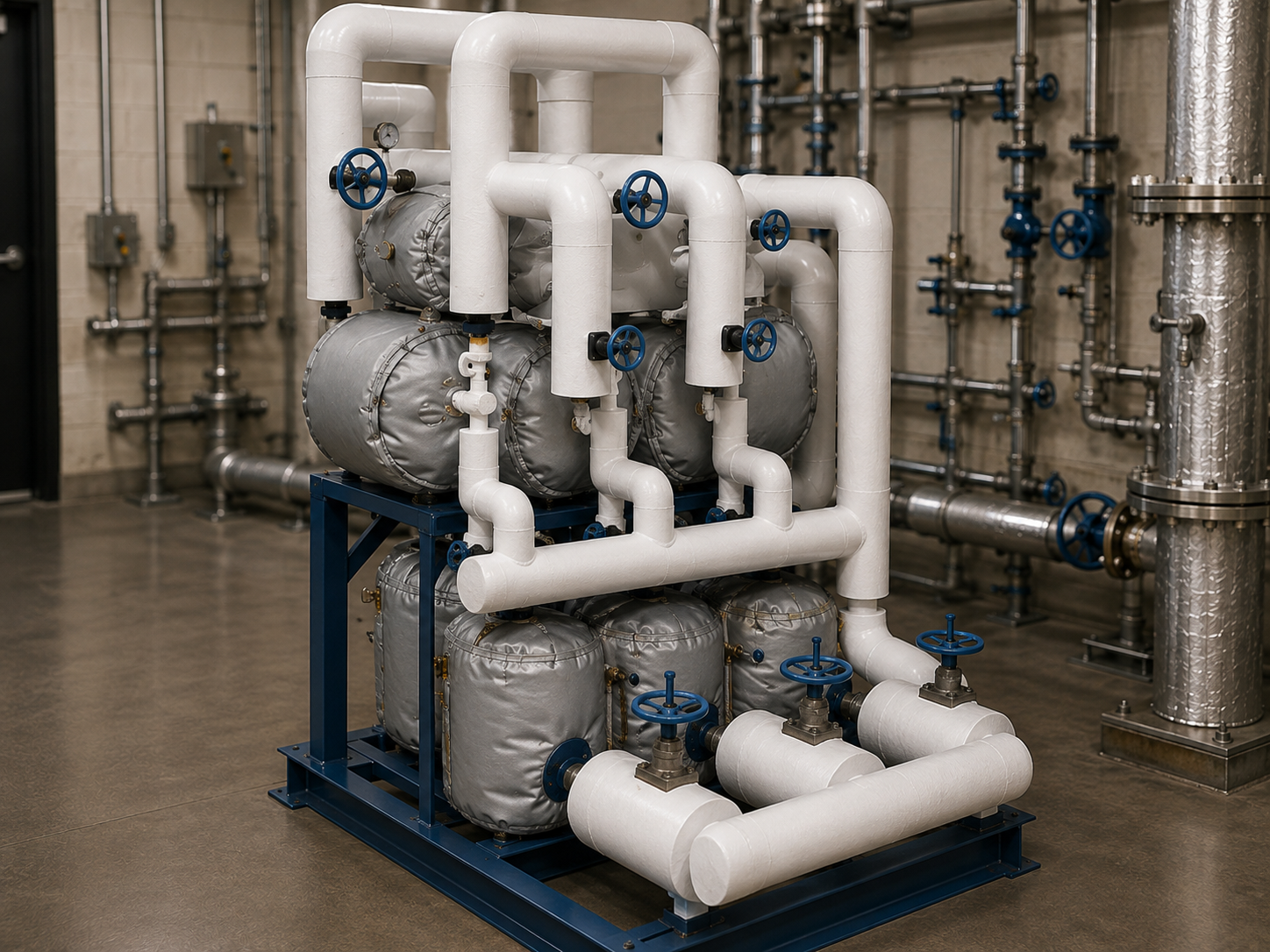
Condensate Return Systems
Recover Heat. Reduce Waste. Improve Steam System Reliability.
Condensate return is one of the most direct ways to improve steam system efficiency, reduce water and chemical waste, and protect steam-supported equipment. When condensate does not drain, move, or return properly, the steam system loses more than hot water. It loses recoverable heat, treated boiler water, operating stability, and reliability.
SSI Services, Inc. reviews condensate return systems to identify return losses, drainage restrictions, failed pumping equipment, back pressure problems, steam trap-related issues, and conditions that contribute to water hammer, condensate backup, and recurring system failures.
We evaluate the performance of the entire steam system. By understanding how the system operates as a whole, we identify where condensate and energy are being lost, uncover the root causes of underperformance, and provide a prioritized roadmap of corrective actions that maximize reliability, efficiency, and return on investment.
Request a Condensate Return System Review
Jump to Content:
- What Is a Condensate Return System?
- Why Condensate Return Matters
- How Condensate Return Affects Steam System Efficiency
- What Causes Condensate Return Problems?
- What SSI Evaluates
- Condensate Return Review vs. Steam Trap Survey: Why the Distinction Matters
- Common Problems SSI Identifies
- SSI Condensate Return System Review
- Industries and Applications
- When to Schedule a Condensate Return System Review
- Industries and Applications
- When to Schedule a Condensate Return System Review
- What You Receive from SSI
- Frequently Asked Questions
- Request a Condensate Return System Review
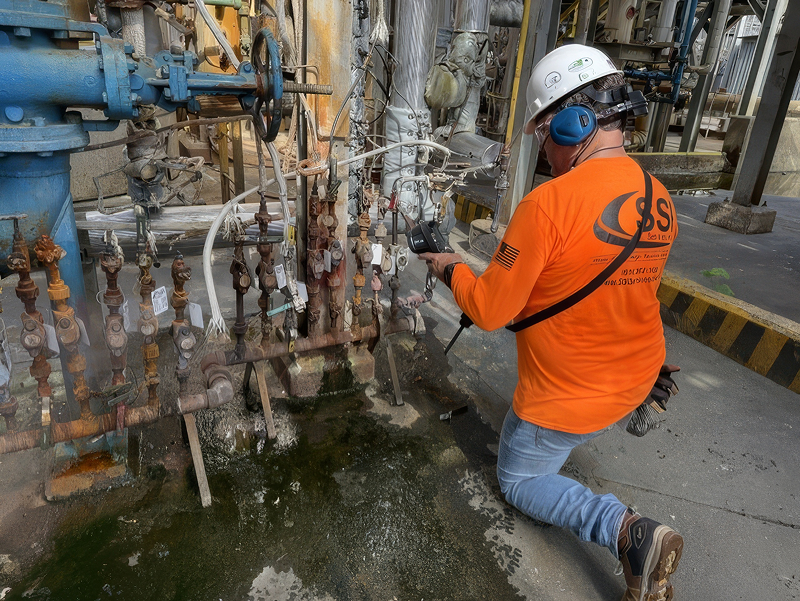
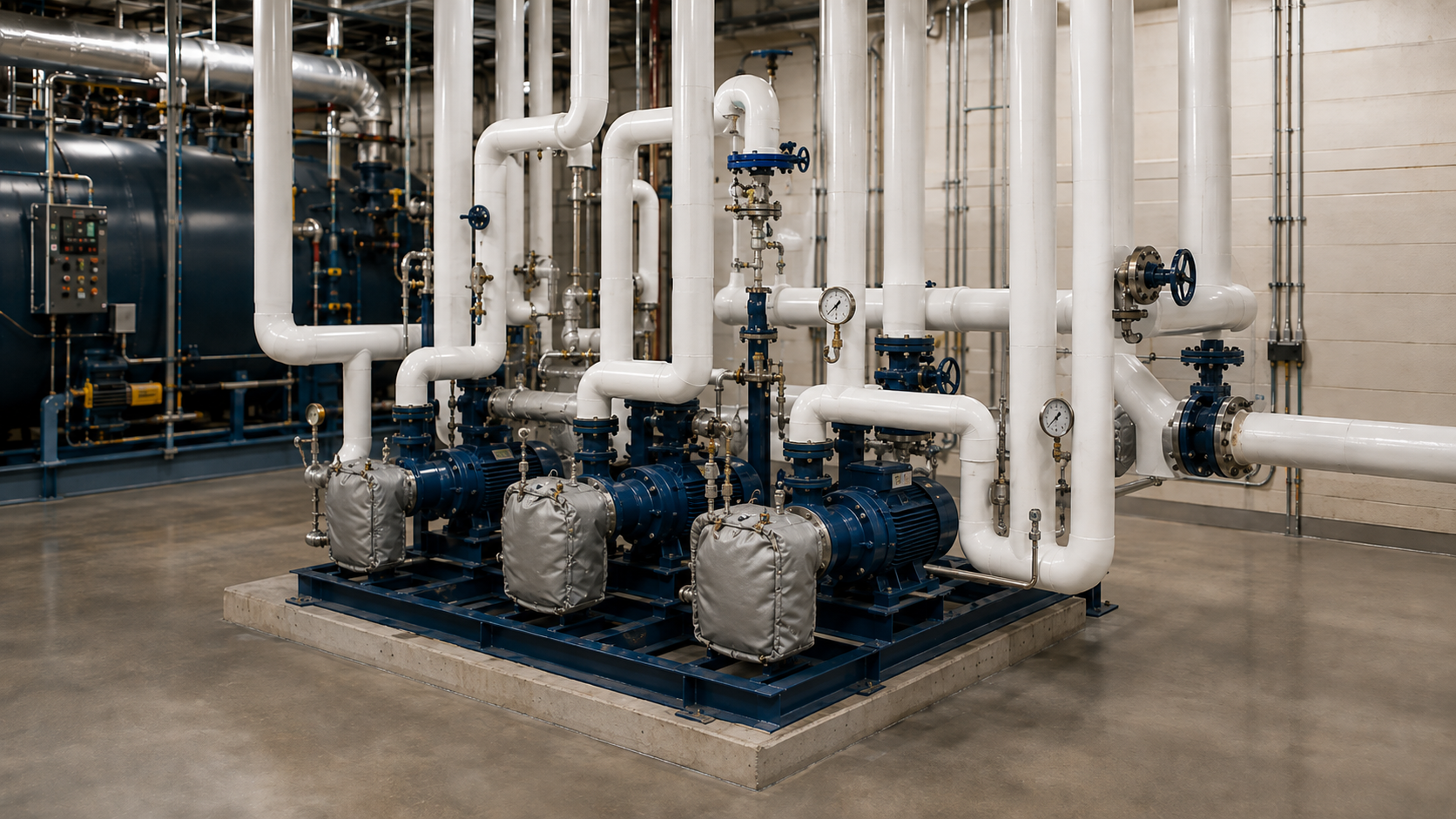
A condensate return system is one of the most valuable components of an efficient steam system. It captures hot condensate after steam has transferred its energy to process equipment, heat exchangers, HVAC coils, sterilizers, humidifiers, and other steam-using equipment, then returns it to the boiler plant for reuse. Recovering this high-temperature water saves energy, reduces water and chemical consumption, lowers operating costs, and improves the efficiency and reliability of the entire steam system.
A typical condensate return system may include return piping, flash tanks, receiver tanks, condensate pumps, pressure-powered pumps, check valves, strainers, steam traps, vents, insulation, controls, and tie-ins to the boiler feedwater system.
The equipment varies by facility, but the objective is consistent: remove condensate from the point of use, prevent backup in the steam distribution system, and return recoverable condensate safely and reliably.
Condensate is not waste unless the system treats it that way. Properly recovered condensate is hot, treated water that can reduce the amount of makeup water, chemical treatment, sewer discharge, and fuel required to support steam production.
When condensate is dumped, vented, backed up, or lost through failed components, facilities often experience higher energy costs, unsafe conditions and more frequent steam system problems. The same issue that wastes recoverable heat can also create mechanical stress, unstable heating, premature component wear, and maintenance calls that repeat without a clear root cause.
- Boiler efficiency and fuel use
- Makeup water demand
- Water treatment and chemical consumption
- Blowdown volume and sewer discharge
- Steam trap performance and back pressure
- Water hammer & safety risk
- Equipment reliability and uptime
- Process temperature stability & optimization.
- Long-term steam system maintenance costs
A strong condensate return system helps the facility preserve the value of the steam it already paid to generate.
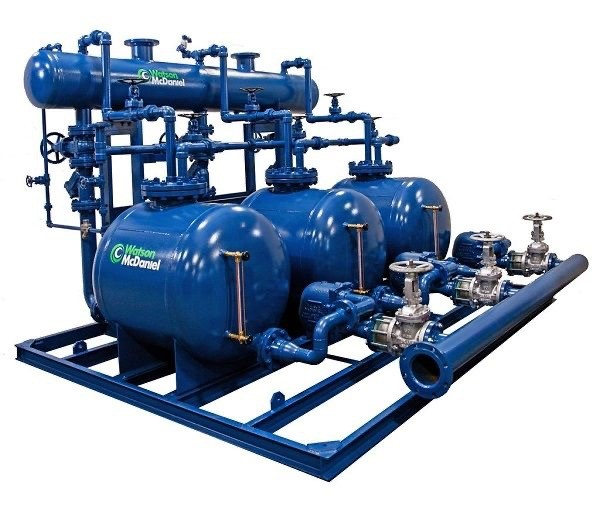
Steam systems consume energy to heat, treat, and distribute water as steam. When steam condenses, a significant portion of that investment remains in the hot condensate. Returning condensate reduces the amount of cold makeup water the boiler system must heat and treat.
A condensate return problem can also force the system to operate inefficiently in less obvious ways. Back pressure in return lines can affect trap discharge. Poor drainage can reduce heat transfer. Failed pumps can flood return piping. Open returns can waste heat and create safety concerns. Contaminated condensate can create boiler-side risk if it is returned without proper evaluation.
This is why SSI evaluates condensate return as a system condition. A failed pump, undersized return line, missing check valve, or blocked strainer may appear isolated, but the effect can move upstream into steam traps, heat exchangers, process equipment, and the boiler plant.
Condensate return problems usually develop from a combination of equipment condition, piping design, system modifications, and maintenance history. The symptom may show up at a trap station, pump receiver, process skid, heat exchanger, or boiler room, but the cause is often somewhere else in the connected system.
- Failed condensate pumps or pressure-powered return units
- Undersized or poorly routed return piping
- High back pressure in return lines
- Failed-open steam traps discharging live steam into the return system
- Failed-closed traps causing condensate backup at the point of use
- Blocked strainers, check valves, or return fittings
- Improper venting or receiver tank conditions
- Steam locking in return equipment
- Flash steam management issues
- Corrosion, scale, fouling, or internal pipe restriction
- Insulation loss that allows condensate to cool before return
- System changes made without reviewing return capacity
- Contaminated condensate that must be diverted or treated before return
- Missing isolation, poor access, or maintenance constraints that prevent proper service
The right corrective path depends on the cause. Replacing a failed component may not solve the problem if the return line is undersized, the receiver is misapplied, or steam trap failures are pressurizing the condensate header.
Editor: Link “Steam Trap Survey Services” to /services/steam-trap-survey-services/ at the first reference to failed-open and failed-closed steam traps.
Condensate Return Piping and Drainage Paths
SSI reviews return piping layout, routing, pitch, visible condition, isolation points, tie-ins, and restrictions that may prevent condensate from moving away from the point of use. Poor drainage often creates symptoms upstream, including water hammer, slow heat-up, unstable equipment performance, and repeated trap failures.
Condensate Pumps and Pressure-Powered Return Units
Condensate pumps and pressure-powered return units must match the system pressure, lift, flow, temperature, receiver arrangement, and operating conditions. SSI evaluates pump condition, cycling behavior, discharge performance, venting, receiver operation, and related controls where applicable.
Receiver Tanks, Flash Steam, and Venting
Receiver tanks and flash steam conditions affect both efficiency and reliability. Poorly managed flash steam can create heat loss, venting concerns, pressure instability, and unsafe conditions around return equipment. SSI reviews receiver configuration, venting, overflow risk, and visible signs of poor operation.
Steam Traps, Check Valves, and Strainers
Steam traps and condensate return systems depend on one another. Failed-open traps can send live steam into the return system. Failed-closed traps can flood equipment and upstream piping. Check valves and strainers can also create return restrictions when they fail, foul, or become misapplied.
Back Pressure and Return Capacity
Back pressure can prevent traps from discharging correctly and can reduce the effectiveness of return equipment. SSI reviews likely sources of back pressure, including return header capacity, line restrictions, failed components, elevation changes, and live steam entering the condensate system.
Equipment and Point-of-Use Conditions
Condensate problems often appear as equipment problems. SSI reviews steam-supported equipment conditions where return performance may be affecting heat transfer, temperature control, startup behavior, shutdown drainage, or maintenance history.
Insulation, Leaks, and Visible Failure Points
Missing insulation, leaking return lines, failed valves, and deteriorated fittings can reduce heat recovery and create safety risk. SSI documents visible failure points and identifies where repair work should be prioritized.
Condensate Quality and Return Suitability
Not all condensate should be returned automatically. Where contamination is possible, the return system must be evaluated against the facility process, boiler requirements, and risk of introducing contaminants into the feedwater system. SSI identifies return suitability concerns and recommends the next step for evaluation when needed.
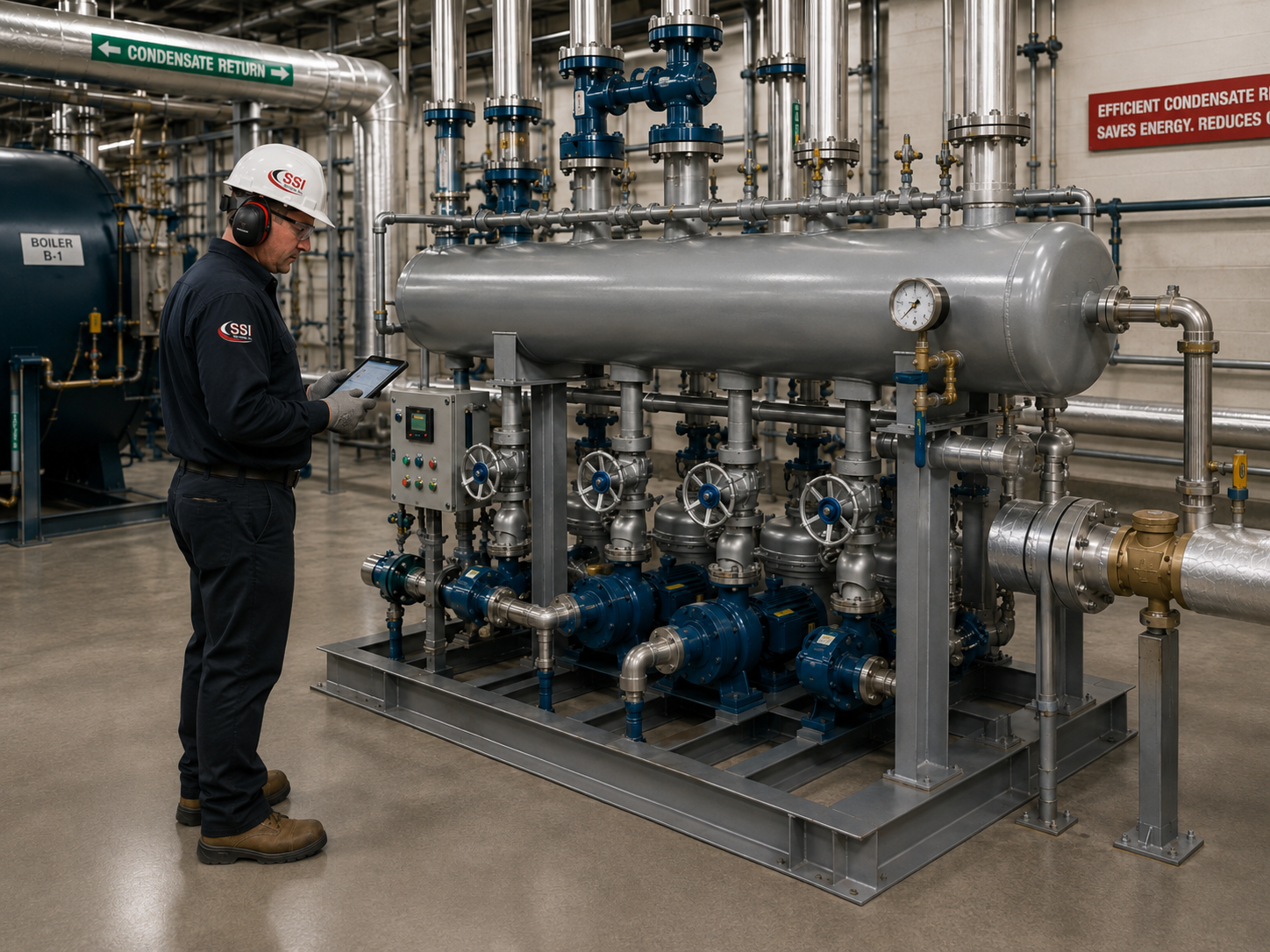
A steam trap survey identifies trap condition across the trap population. A condensate return system review looks at how condensate moves after it leaves the trap or point of use.
The two services are connected, but they are not the same. A facility can replace failed traps and still experience condensate backup if return piping is restricted, back pressure is too high, pumping equipment is failing, or receiver tanks are not operating correctly. The reverse is also true. A condensate return problem may be driven by failed-open traps pushing live steam into the return header.
SSI helps facility teams determine whether the immediate need is a focused condensate return review, a complete steam trap survey, or a broader steam system assessment.
Condensate Backup
Condensate backup can reduce heat transfer, delay startup, increase water hammer risk, and damage equipment. SSI identifies whether backup is caused by failed traps, blocked components, poor drainage, inadequate return capacity, or pumping limitations.
Water Hammer and Mechanical Stress
Water hammer often points to drainage or return problems. Condensate that remains in steam lines, equipment, or return piping can be picked up by moving steam and create damaging mechanical forces.
Lost Condensate and Heat Waste
Facilities often lose condensate through open drains, leaking equipment, excessive venting, failed return equipment, or temporary bypasses that become permanent. SSI identifies where recoverable condensate is being lost and what it would take to restore return.
Failed Pumps and Receiver Issues
Failed pumps, poor cycling, overflow conditions, venting problems, and receiver sizing issues can create recurring maintenance calls and system instability. SSI evaluates the condition and application of return equipment against actual operating needs.
Back Pressure and Trap Discharge Problems
High return pressure can prevent traps from discharging properly. This can create false assumptions about trap failure when the larger issue is return system pressure, capacity, or live steam entering the condensate header.
Contaminated Condensate
Condensate contamination changes the decision from recovery to risk control. SSI identifies conditions that may require diversion, testing, filtration, or additional engineering review before condensate is returned to the boiler system.
SSI structures condensate return reviews around practical field findings and corrective action planning. The review scope can be focused on a known problem area or expanded across the facility when symptoms point to a system-wide issue.
Field Review
SSI reviews the condensate return system in operation where possible, including visible piping, return equipment, trap stations, receiver tanks, pumps, vents, valves, and access limitations.
Problem Identification
Findings are tied to operating symptoms such as water hammer, condensate backup, failed pumps, live steam in the return header, heat loss, equipment instability, or repeated maintenance issues.
System-Level Diagnosis
SSI evaluates how the return system interacts with steam traps, steam distribution, point-of-use equipment, pressure zones, and the boiler feedwater interface.
Corrective Action Planning
Recommendations are prioritized so the facility can address high-impact issues first. The plan may include repair, replacement, piping modifications, trap work, pump upgrades, receiver changes, insulation repairs, or additional testing.
Verification Support
Where applicable, SSI can support verification after corrective work to confirm that condensate return performance has improved and recurring symptoms have been addressed.
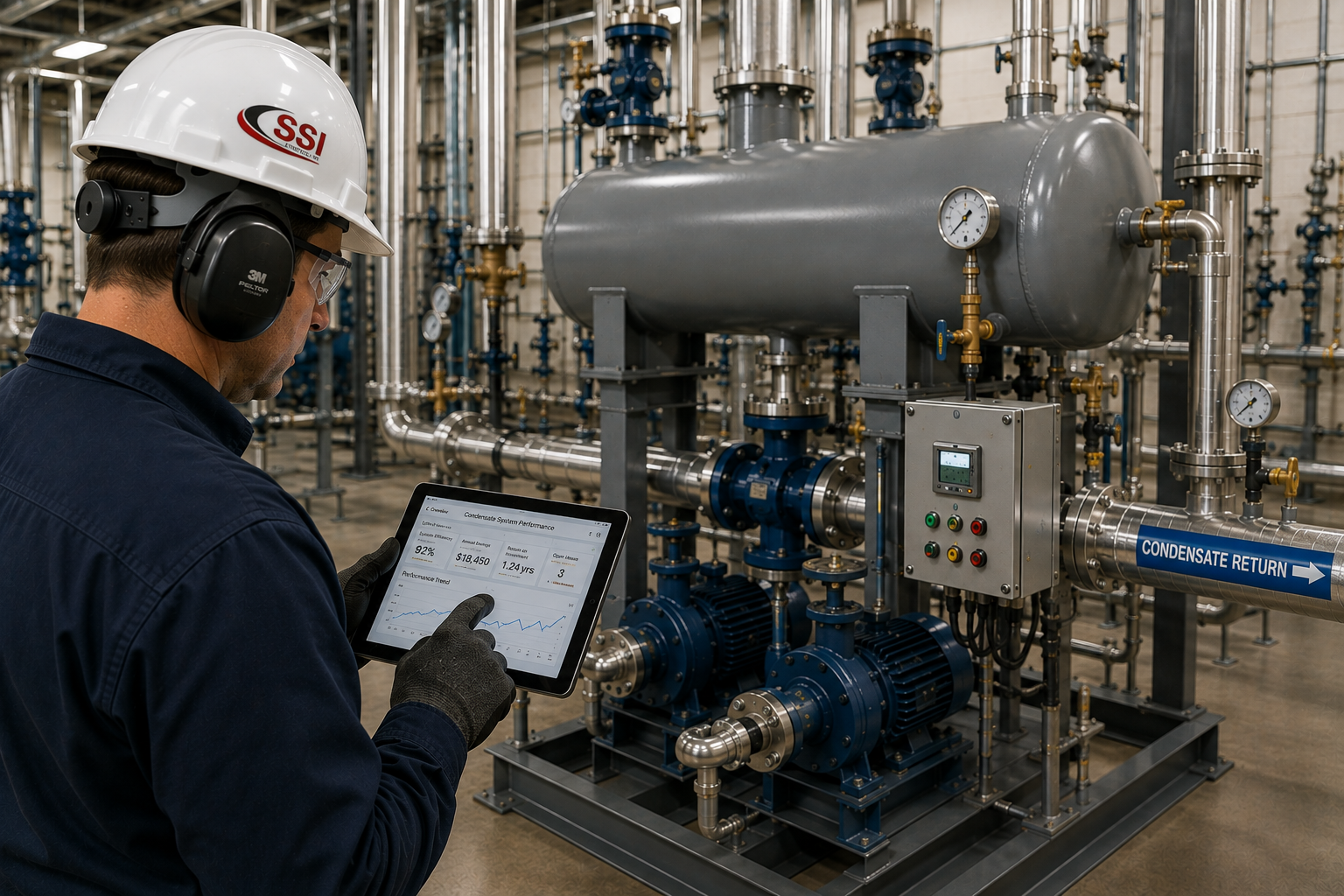
Industrial Manufacturing
Production facilities and process plants where steam reliability affects output, uptime, energy costs, and equipment performance.
Food and Beverage Manufacturing
Facilities that rely on steam for heating, process operations, sanitation, washdown, humidification, or production support.
Healthcare and Hospitals
Facilities where steam supports sterilization, humidification, heating, domestic hot water and critical operations, and where water hammer or condensate backup can create safety and operational risk.
Life Sciences Facilities
Manufacturing and controlled environments where steam-supported utilities must operate consistently and maintenance activities must be planned around operational constraints.
Academic and Institutional Campuses
Distributed steam systems serving laboratories, classrooms, residence halls, dining facilities, utility plants, and occupied buildings.
Federal Government Facilities
Mission-critical sites that require reliable steam utilities, documented findings, and practical corrective action planning for long-term facility performance.
A condensate return review is appropriate when the facility has symptoms that point to drainage, return, recovery, or reliability problems. Common triggers include:
- Recurring water hammer in steam or condensate piping
- Condensate backing up into equipment or trap stations
- Failed condensate pumps, frequent pump cycling, or receiver overflow
- Visible discharge of recoverable condensate to drain
- Rising fuel, water, sewer, or chemical treatment costs
- Poor heat transfer or slow equipment warm-up
- Live steam entering the condensate return header
- High return line back pressure
- Frequent steam trap failures or repeated trap replacement in the same areas
- Steam system modifications, expansions, or new equipment tie-ins
- Aging piping, leaking return lines, or deteriorated insulation
- Concern that condensate contamination may be affecting return suitability
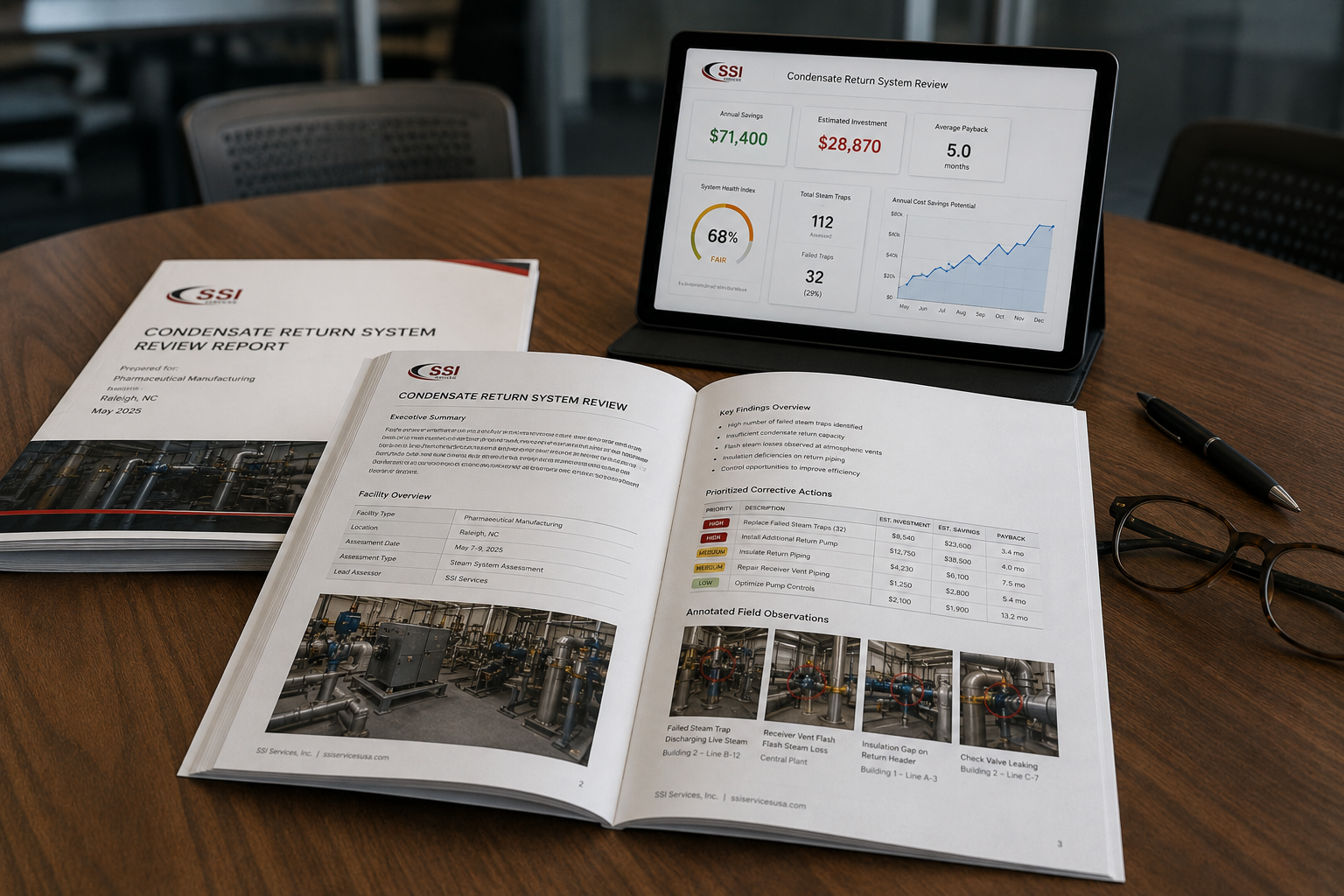
Each condensate return system review is designed to provide practical findings your team can use to plan corrective work. Depending on scope, SSI may provide:
- Field observations of condensate return system condition
- Identification of visible return losses, discharge points, and recovery opportunities
- Review of condensate pumps, receiver tanks, pressure-powered return units, and related controls
- Evaluation of return piping, drainage paths, back pressure concerns, and visible restrictions
- Steam trap-related findings that may be affecting condensate return performance
- Identification of water hammer, condensate backup, flash steam, venting, or heat loss concerns
- Corrective action recommendations prioritized by system impact and operational risk
- Recommended next steps for repair, replacement, additional testing, or broader steam system assessment
- Verification support after corrective work, where applicable
The report is intended to support action. SSI identifies what is happening, why it matters, and which corrective steps should come first.
A condensate return system collects hot condensate after steam transfers heat and returns it to the boiler plant, feedwater system, or recovery point. The system helps recover heat, treated water, and chemical value while preventing condensate backup in steam-supported equipment.
Condensate return matters because recovered condensate is hot, treated water. Returning it can reduce makeup water demand, chemical treatment needs, blowdown burden, sewer discharge, and the fuel required to heat incoming water. It also supports more stable steam system operation.
Common causes include failed pumps, restricted return piping, poorly routed piping, high back pressure, failed steam traps, blocked strainers or check valves, poor venting, flash steam issues, corrosion, insulation loss, and system modifications that exceed the original return design.
Returning hot condensate reduces the amount of cold makeup water the boiler system must heat and treat. It also helps prevent operating conditions that waste energy, including live steam loss, poor trap discharge, excessive venting, and condensate discharge to drain.
Common signs include water hammer, pump failures, receiver overflow, condensate backup, leaking return lines, excessive flash steam, slow heat-up, inconsistent equipment performance, high energy costs, and repeated steam trap failures in the same area.
No. A steam trap survey evaluates individual trap condition across a trap population. A condensate return review evaluates how condensate moves through the return system after it leaves the trap or point of use. The two services are closely connected and are often evaluated together.
Not always. Condensate should be evaluated for suitability before return when process contamination, chemical exposure, heat exchanger leaks, or other contamination risks are possible. Some condensate may need to be diverted, tested, treated, or reviewed before it is returned to the boiler system.
SSI can support corrective work depending on scope, access, equipment needs, and facility conditions. Work may include return equipment replacement, trap-related corrective work, piping modifications, component replacement, and verification after repairs.
Industrial manufacturers, food and beverage facilities, hospitals, life sciences facilities, campuses, and federal institutions should prioritize condensate return when steam reliability, energy cost, water usage, or equipment uptime directly affects operations.
Schedule a review when the facility has recurring water hammer, condensate backup, failed return pumps, high steam or water costs, visible condensate discharge, frequent trap failures, or planned steam system modifications that may affect return capacity.
If your facility relies on steam for production, process support, heating, humidification, sterilization, sanitation, or critical operations, condensate return performance directly affects system efficiency and reliability.
SSI Services, Inc. reviews condensate return systems across the Southeast for industrial manufacturers, food and beverage facilities, healthcare environments, life sciences facilities, campuses, and federal institutions.